
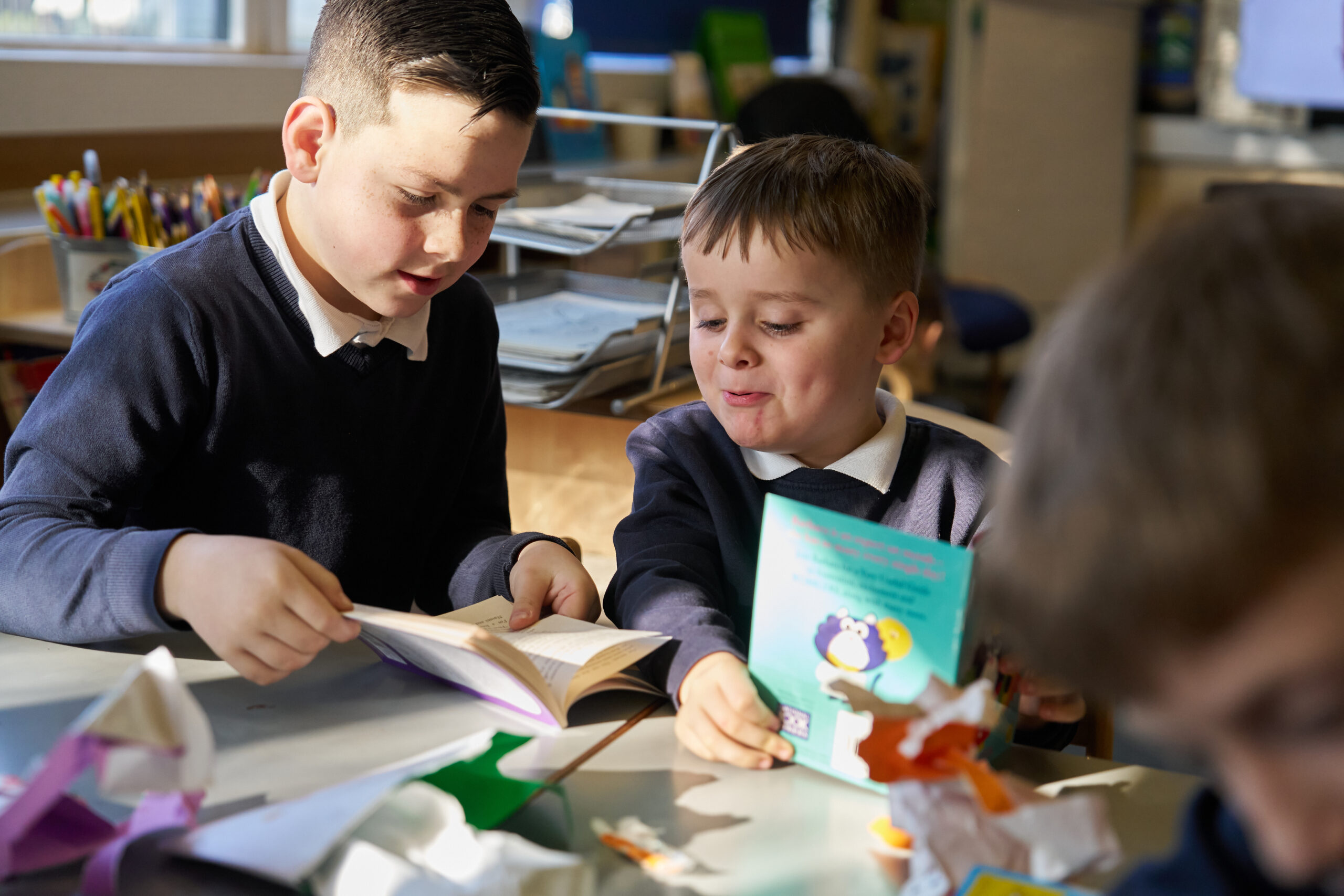
Celebrate all the ways you read, in every language. Creating a reading river can help children reflect on their reading experiences and recognise that every kind of reading matters.
Reading rivers are a simple, creative way to explore how reading shapes who we are. They help children talk about what they read, connect with others, and see themselves as readers.
Step one: early reads
Think back to when you were little. Who read with you? Which books mattered then, and in what languages?
Step two: beyond books
All reading counts. Magazines, gaming, recipes, and messages from friends all belong in your river.
Step three: important reads
Not every book was fun. Some were hard or linked to a person or memory. Include those too.
Step four: languages matter
Think about the languages you use when you read. Has this changed over time or by activity?
Step five: share your river
Your river is your story. Present it in class, share with family, or record yourself.
Discover more
Learn more about Rivers of Reading from the University of Sheffield.
Find out more
Keep the conversation going
Share your reading river on social media. Tag @WorldBookDay with #WorldBookDay and #ReadYourWay.
Exploring your reading journey helps make reading for pleasure part of everyday life.
Attribution
Based on a resource created by Dr Sabine Little, University of Sheffield, for World Book Day 2021.
Use of World Book Day resources
These resources are free to use for schools, early years settings, libraries, charities, and community groups celebrating World Book Day. Commercial organisations must have a partnership or licence agreement in place before using World Book Day assets. If you are interested in working with us, please contact partnerships@worldbookday.com.