



Introducing the series



In this series of specially recorded podcasts, we will consider how schools and other settings can make the most out of World Book Day as an opportunity to support young people’s reading for pleasure. World Book Day have been working for the last 5 years with the Open University Reading for Pleasure team to connect research and practice with the WBD campaign. This year the Wandle English Hub are pleased to join us in this work, as we have shared aims in supporting schools to foster Reading for Pleasure.
In this series we are drawing on the research-informed model – the Reading and Writing for Pleasure Framework for practice, which was commissioned by the Mercers’ Company and developed by the Open University Reading for Pleasure team, led by Prof. Teresa Cremin. What this tells us is that when developing a rich Reading for Pleasure culture, you need both individual and social approaches, and crucially, adults who are genuinely responsive and involved. At its heart is giving young people autonomy—letting them take the lead. And when that happens, something really powerful unfolds: those relaxed, natural moments around books start to build meaningful social connections. But for all of this to really work, young people need access to a wide range of reading materials, as well as time and space carved out for Reading for Pleasure.
Episode 1: Planning World Book Day
In this episode we discuss:
- What is the starting point when you plan WBD?
- What are your aims for the day?
- How does WBD integrate with wider RfP work across the year?
- To dress up or not?What are the barriers to dressing up and how have you addressed them?
This episode explores how schools plan World Book Day with clear intention, starting from pupil voice and reflecting on what worked previously. It highlights the importance of fun, inclusion and reducing barriers for families, as well as thoughtful approaches to dressing up. The conversation shows how schools link the day to their wider Reading for Pleasure strategy, trial new ideas and use staff expertise to strengthen reading culture across the year
Key takeaways
- Doing the things you’ve always done can be reassuring but they are always worth reviewing in light of your aims
- Have an aim and rationale for the day
- Reflect on last year’s celebration and what was successful or less so
- Listen to your pupils, parents and staff before you start to plan
- Ensure the children experience a fun day while still leading to a tangible outcome
- Include activities that you can come back to later in the year or incorporate into ongoing practice
- Engaging parents – Create informal opportunities for parents to be engaged with the fun alongside their children.
- Engage with your staff and draw on their knowledge – consider what CPD might be needed
Supporting Materials
- Find out more about the Open University Reading Schools Programme: Building a Culture of Readinging materials
- Explore the benefits of reading for pleasure on the Open University Reading for Pleasure website
- Explore World Book Day’s Planning tool
- Read more about holding an OURfP Booknic
- Explore The Open University’s examples of practice on using Reading Rivers
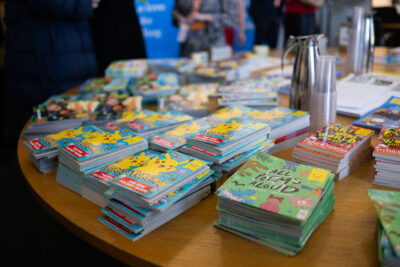
- Share World Book Day’s low-cost ideas for dressing-up
Episode 2: Engaging your school and wider community
In this episode we discuss:
- How do you plan to engage parents in WBD?
- What activities are successful for different communities?
- How can staff be part of the strategic planning for WBD?
- How might other partners be part of WBD, e.g libraries, authors, bookshops?
This episode looks at how schools build meaningful parental engagement around World Book Day, from surveys and informal conversations to low-stakes events like holding an OURfP Booknic, family reading sessions and community breakfasts. Practitioners discuss how these create space for informal talk about reading at home and opportunities to get to know their readers. The episode also considers staff involvement and using World Book Day to build knowledge of children’s literature. Partnerships with charities, volunteers and book projects are explored as powerful ways to widen access.
Key takeaways
- Listen to your pupils, parents and staff are before you start to plan
- Engaging parents – Create informal opportunities for parents to be engaged with the fun alongside their children, making these ‘low stakes’ so more families engage
- Give staff the opportunity to get to know their readers and their families
- Consider what support and CPD your staff might need
Think about who else across your school and local community can contribute or be part of ongoing provision.
Supporting materials
- Read more about the OURfP Booknic
- Explore resources to support your families and other charities and partners to work with using the Literacy Hive website
- Read more about developing your staff knowledge of children’s literature and other texts
- Read more about responsive adult involvement in Reading and Writing for Pleasure: A Framework for Practice
- Gather valuable insights into families’ reading habits and attitudes, using the OU RfP Parent Surveys
Episode 3: Delivery
In this episode we discuss:
- What activities work well on WBD?
- How do schools decide what to do and the rationale for provision on WBD?
- How do you plan for delivery of age appropriate provision for WBD?
- How do you target particular groups or pupils in your provision?
- How does this fit into your wider RfP strategy?
This episode focuses on putting plans into action and creating experiences that leave a lasting impact. It highlights child-led activities, calm alternatives for pupils who find the day overwhelming and sensitive approaches to costumes. Schools share how they weave World Book Day into ongoing provision, build on pupil interests, and give targeted support to families who face barriers. The episode emphasises the importance of returning to World Book Day themes throughout the year to sustain a strong reading culture
Key takeaways
- Give staff the opportunity to get to know their readers and their families
- Have an aim and rationale for the day
- Plan for impact: Identify an area you want to target and can feasibly follow up after the day
- Engaging parents – Create informal opportunities for parents to be engaged with the fun alongside their children.
- Include activities that you can come back to later in the year or incorporate into ongoing practice.
Supporting materials
- Explore World Book Day’s Planning tool
- Read more about the OURfP Booknic
- Explore a range of ways for teachers to get to know their readers
- Find out more about developing social reading environments
- Gather valuable insights into families’ reading habits and attitudes, using the OU RfP Parent Surveys
- Consider the impact of RfP provision and developing leadership, by joining the Open University Reading Schools Programme: Building a Culture of Reading
Reading and Writing for Pleasure: Framework for Practice, for practitioners.
This Framework for Practice, commissioned by The Mercers Company and produced by THe Open University provides a research-informed basis for developing practice that nurtures young people’s reading and writing for pleasure. It draws insights from international research literature and data from six London-based literacy programmes – led by Doorstep Library , Literacy Pirates , Ministry of Stories, Primary Shakespeare Company, World Book Day and the National Literacy Trust together with the Reading Agency, that jointly led ‘Get Islington Reading’.